THE ART OF RESONANCE
Art and environments designed to support human coherence.
Visual structure influences the nervous system continuously. Pattern, color, proportion, and imagery shape perception long before conscious thought occurs. Matchless Atlas explores how resonant artwork can help create environments that support clarity, regulation, and well-being.
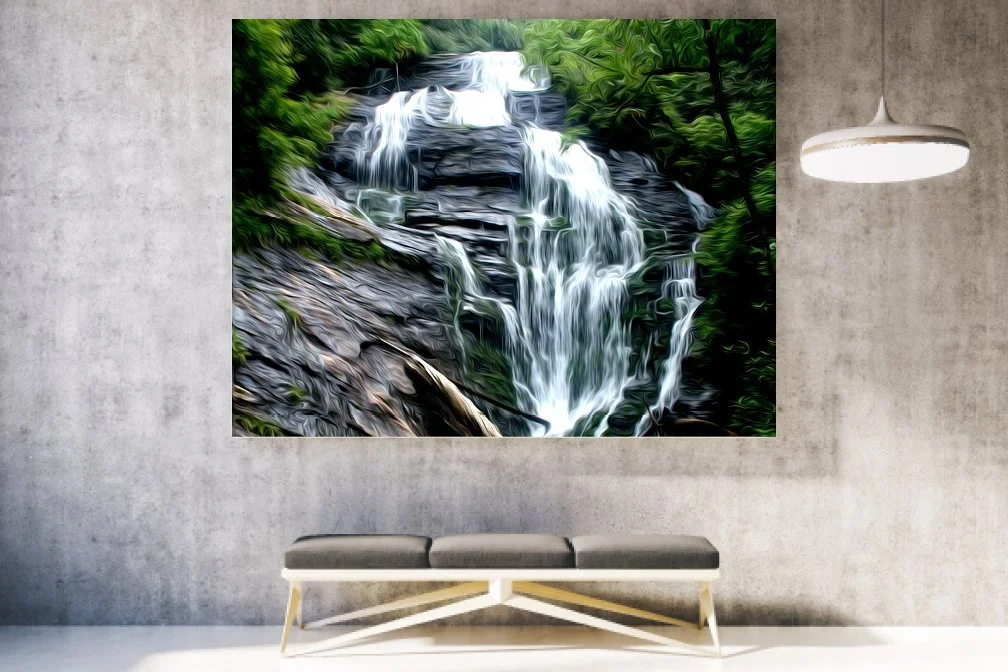
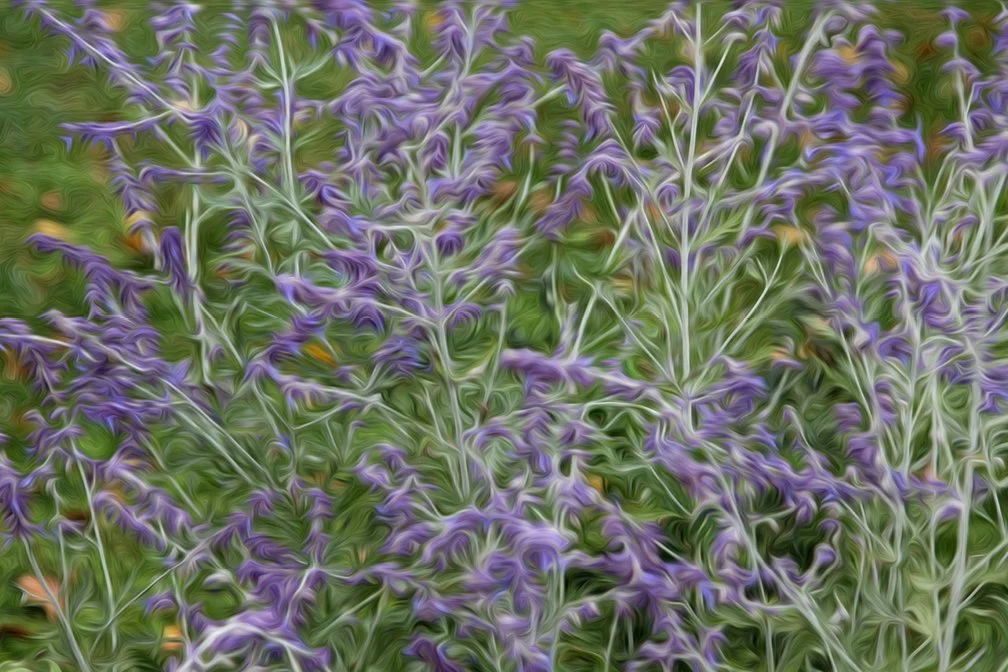
Your environment shapes your state of being. The human nervous system evolved within environments rich in natural geometry — branching trees, flowing water, layered landscapes, and fractal patterns. These structures are processed efficiently by the brain.
Modern spaces often lack this coherence. Visual noise, conflicting signals, and poorly scaled imagery can require the nervous system to work harder to maintain balance. When visual environments are aligned with biological processing, the body settles. Attention stabilizes. The atmosphere of a space becomes supportive rather than draining. Atlas Resonant Art explores how art can help restore this harmony.
ATLAS RESONANT ART
THE ART
THE SCIENCE
THE TOOLS
The brain continuously interprets the visual field, integrating signals from pattern, color, light, and spatial relationships. These signals interact with the body’s regulatory systems — affecting breathing patterns, brainwave activity, emotional tone, and cognitive clarity. Research in neuroscience, environmental psychology, and design has demonstrated that certain visual structures — especially those found in nature — support efficient neural processing.
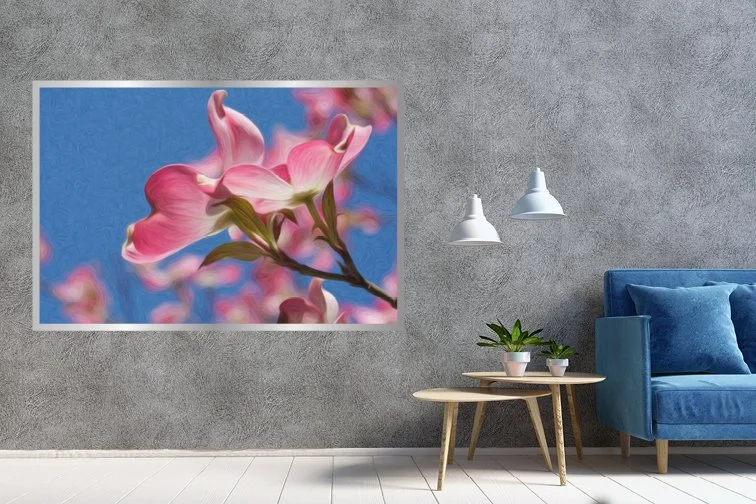
Atlas Resonant Art offers several ways to apply these principles. Display art transforms a room by introducing a single artwork designed to anchor the environment. Frequency Anchors are smaller works placed within personal workspaces to stabilize attention. A Space Analysis identifies the most effective artwork for a particular environment. A Personal Frequency Analysis identifies artwork that best supports your optimal resonance frequency.
Art introduces pattern, color relationships, and symbolic meaning into a space. When thoughtfully selected and placed, a single artwork can anchor the visual field of a room and influence how the environment is experienced. Atlas Resonant Art is designed to function as an anchor—bringing coherence to the space it inhabits. In homes, workplaces, and public environments, these works support calm attention, emotional balance, and visual harmony.
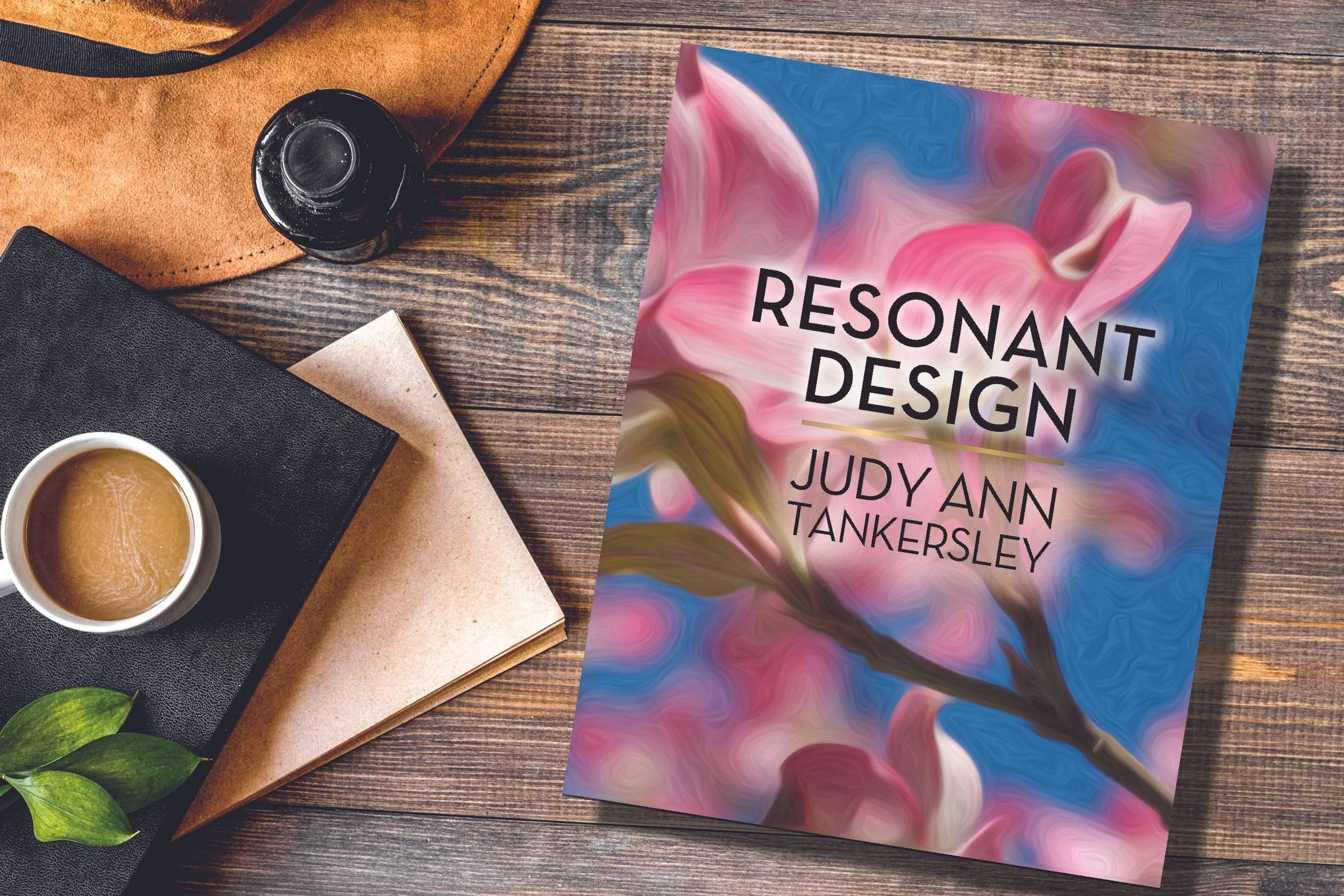
THE BOOK:
RESONANT DESIGN
This book introduces a guided way to engage with art through a twelve-minute resonance cycle.
The process follows the rhythms of nature — winter, spring, summer, and autumn — moving gradually from regulation to integration, expansion, and harmony.
Through intentional observation and reflection, readers learn how visual environments influence perception and emotional state.
The book can be used individually, shared as a gift, or placed in workplaces and healthcare environments as a quiet invitation to pause, observe, and recalibrate.

JUDY ANN TANKERSLEY
Developed by Judy Tankersley, Matchless Atlas explores the relationship between visual environments, art, and the human nervous system. She brings together principles from biology, design, and the structure of nature to explore how environments can nurture human experience.
Her work explores the relationship between visual environments, art, and the nervous system. Through writing, artwork, and environmental guidance, she helps individuals and organizations create spaces that support clarity, balance, and well-being.